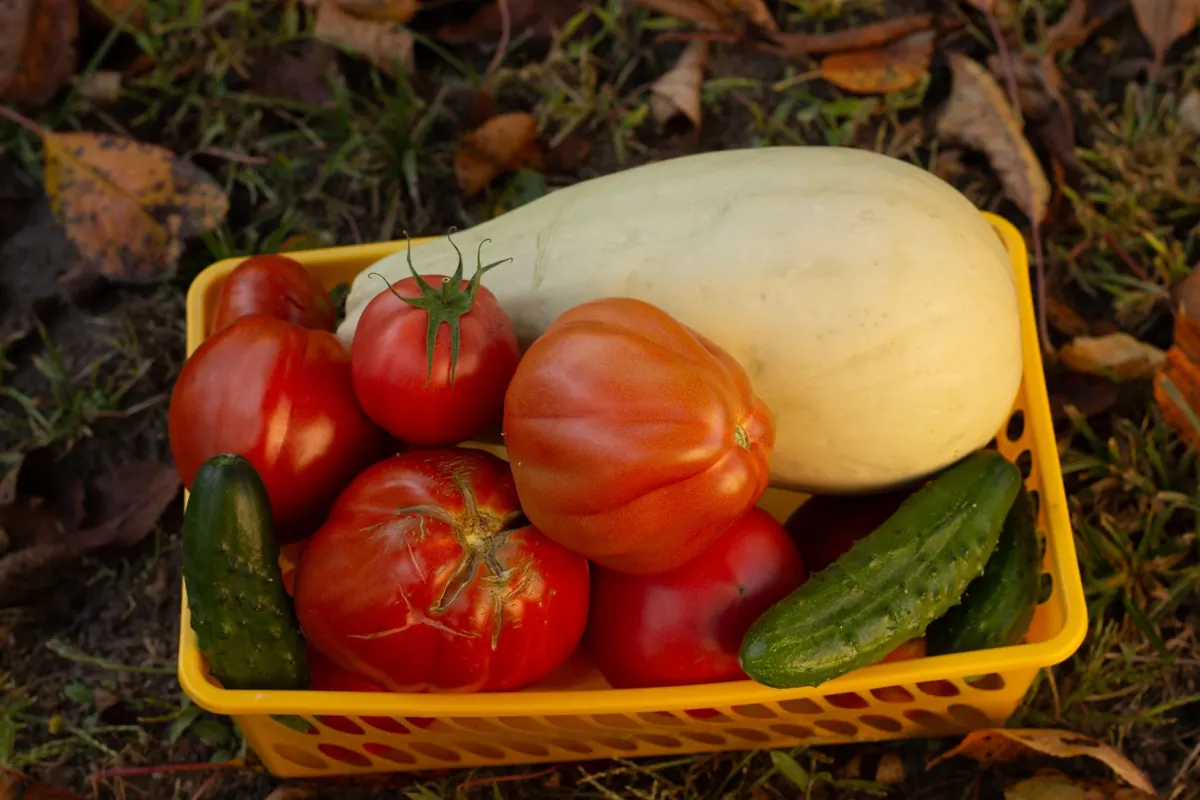
By October, the best value in British shops is rarely in the "seasonal" aisle. It's in the boxes of squash and knobbly roots stacked outside greengrocers, and in the bag of apples a neighbour presses on you over the fence. Autumn produce is generous, and for a few weeks it's cheap in a way that makes you want to cook properly. What turns it into dinner is the shelf behind it: mustard, cider vinegar, smoked paprika, a tin of coconut milk, a bag of pearl barley. Cook with those and one squash feeds four people well.
Stock the shelf that does the work
You don't need a special autumn shop. You need the boring things that make inexpensive vegetables taste deliberate. Before the season gets going, check you have:
- Oils and vinegars: rapeseed for roasting, olive or walnut for dressing, cider vinegar for anything involving apples or beetroot.
- Jars: Dijon mustard, honey, black treacle or golden syrup, harissa, tahini, marmalade.
- Dried spices: smoked paprika, cumin, coriander, cinnamon, chilli flakes. Whole spices keep their punch longer, so grind what you need.
- Pulses and grains: red lentils, butter beans or chickpeas, pearl barley, couscous, rice.
- Tins: chopped tomatoes and coconut milk.
- Sweet and crunchy things: raisins, dates, walnuts or hazelnuts, oats, plain flour, baking powder.
- Stock: cubes, powder or a jar of concentrate.
Keep the everyday items within reach, decant spices into small jars so you can see what you own, and write the date on anything you open. A pantry you can read at a glance is the difference between cooking and ordering in.
Squash: roast it hard, then let the pantry finish the job
Cut a squash into wedges or roughly 3cm cubes. No need to peel if the skin is thin — butternut and crown prince both roast well in their skins. Toss with rapeseed oil, salt and a good pinch of smoked paprika, spread out on a large tray with room to spare, and roast at 200°C (180°C fan) for 30–35 minutes, turning once, until the edges are properly dark.
Crowding the tray is the most common mistake. Steam rather than caramelisation is what you get, and the squash ends up tasting of very little.
Three pantry finishes
- Tahini and lemon. Whisk tahini with lemon juice, a crushed garlic clove and enough cold water to loosen it into a pourable dressing. Spoon over the hot squash and scatter with toasted seeds.
- Harissa and honey. Warm a spoonful of each with a splash of cider vinegar and brush it over the squash for the last ten minutes. Toss with a drained tin of chickpeas.
- Coconut and red lentils. Simmer a mug of red lentils in a tin of coconut milk with a tin of tomatoes, a spoonful of curry powder and about 300ml water until soft, then fold the roasted squash through.
Beetroot and apple: a pairing worth repeating
Beetroot is inexpensive, keeps for weeks in a cool cupboard, and tastes of almost nothing until you roast it. Wrap scrubbed roots in foil with a sprig of thyme and a splash of water, then bake at 200°C for 45–60 minutes depending on size. A knife should slide in without resistance. Cool them, rub off the skins with kitchen paper, and slice.
For the quicker route, grate raw peeled beetroot and a sharp apple — a Cox or a Braeburn — into a bowl. Dress with cider vinegar, a teaspoon of Dijon mustard, a little honey, salt and a few tablespoons of yogurt or crème fraîche. Caraway seeds, toasted in a dry pan for a minute, make it taste far more considered than the effort involved.
Once you have roasted roots, chutney is the logical next step. If you're making one, follow a tested recipe rather than improvising the vinegar and sugar quantities, sterilise your jars properly and stick to the timings. Preserving is one area where guessing isn't worth the risk. If you'd rather not, freeze the cooked beetroot in portions instead.
Roots that reward a hot oven
Parsnips, carrots, swede and celeriac all roast at roughly the same temperature and for roughly the same time. Cut them into similar-sized pieces — batons hold up better than thin coins, which catch at the edges — toss in oil and salt, and give them 35–45 minutes at 200°C (180°C fan).
A glaze of mustard, honey and a splash of vinegar goes on for the last ten minutes, when there's some colour for the sugars to catch on and the vinegar stops everything turning too sweet. If you're cooking sausages, put them on the same tray. For a meat-free version, halve a tin of butter beans, toss them in oil and paprika and add them for the final fifteen minutes.
Two things to do with celeriac
Peel it more generously than you think you need to; the outside is knotted and tough. Grate it raw for a remoulade with mayonnaise, Dijon mustard and lemon. Or boil it with potatoes and mash with plenty of butter and a spoonful of mustard. It holds together better than you'd expect and sits happily under sausages, stews or a fried egg.
Apples: breakfast, pudding and the freezer
Know your apples. Bramleys collapse into fluff and are what you want for sauce, crumbles and chutney. Coxes, russets and Braeburns hold their shape, so use those for baking whole or slicing into salads and slaws.
Baked apples are the least effort for the most reward. Core them, sit them in a dish with a splash of water, and fill the centres with oats, chopped dates or raisins, chopped nuts and a knob of butter. Bake at 180°C (160°C fan) for 35–40 minutes. Serve with cream or custard, or with yogurt for breakfast.
Stewed apple is the freezer's friend. Peel, chop, cook with a splash of water and a squeeze of lemon until soft, sweeten lightly, then freeze in tubs. It goes into porridge, under a crumble topping, or through yogurt with a spoonful of granola. Cook one big pan and you've bought yourself three easy puddings.
The Sunday reset
Half an hour with the pantry at the start of the week saves a lot of weeknight decisions. Pull everything forward, check the dates on opened jars and note what's nearly finished. Roast a tray of roots while you're at it, and cook one thing that will keep: a pot of stewed apple, a pan of lentil and squash curry, a jar of dressing.
Then write the week's meals on the back of an envelope and stick it inside a cupboard door. It isn't a system, just a reminder that the squash on the worktop and the tin of chickpeas on the shelf already belong together.
Photo: Зоряна Русин / Pexels