There is a particular kind of optimism in a sack of rice the size of a pillow. It feels like thrift, like foresight, like you have beaten the supermarket at its own game. Then it goes on the top shelf of a cupboard 30cm deep, and for the next eight months you shunt it aside every time you want a tin of beans. Bulk buying can save real money. It can also tie up cash, fill a small kitchen with things you cannot reach, and quietly turn into a science experiment at the back of a shelf. The trick is working out which is which before you reach the till.
Compare the price per unit, not the pack price
The number that matters is the one printed in small type on the shelf-edge label: price per 100g, price per kilo, price per litre. A bigger pack is only cheaper if that figure drops. It often does. It does not always.
Two things trip people up. First, own-brand value ranges frequently beat the large pack of a branded product, so a 500g budget bag can undercut a 1kg premium one. Second, "family" or "jumbo" packs sometimes carry a small premium for convenience rather than a discount. Do the division on your phone while you stand there. It takes fifteen seconds and it is the whole game.
If you shop online, sort by unit price rather than pack price. Most supermarket websites let you do this, and the results can be surprising.
Where big packs usually pay off
Dry, shelf-stable staples that you use several times a week are the safest bulk buys. They do not spoil quickly, they do not need freezer space, and the saving per kilo is genuine.
- Dried rice and pasta. Keep them dry, dark and sealed and they will last for many months. Buy the shape you actually cook.
- Dried lentils, chickpeas and beans. Far cheaper per portion than tinned, provided you will soak and cook them. If tins are what you reach for on a Tuesday, buy tins.
- Porridge oats. Cheap in any size, cheaper still in a big bag, and useful for far more than breakfast.
- Tinned tomatoes, chickpeas and sweetcorn. Worth a bulk buy only if you get through them weekly. Tins stack well and have a long shelf life.
- Sugar, salt and plain flour. Cheap in bulk, but see the storage notes below, because flour is the one that attracts pests.
- Frozen peas and mixed vegetables. A big bag costs less per portion than small ones and freezes solid for months.
- Tea bags, coffee, cleaning products. Sensible if you have a consistent habit and somewhere to put them. Less sensible if you are buying a year's supply of loo roll on a tight month.
Where bulk buying quietly costs you more
Some things go downhill the moment air hits them, and a larger pack simply means a longer, sadder decline.
Ground spices lose their punch within months. A catering tub of cumin is a waste unless you cook with it constantly; buy whole seeds and grind as needed instead. Cooking oils can turn rancid, especially nut and speciality oils, so a giant bottle only makes sense for an oil you use in quantity. Nuts, seeds and wholemeal flours contain oils that go stale; the freezer is your friend here, but only if there is room.
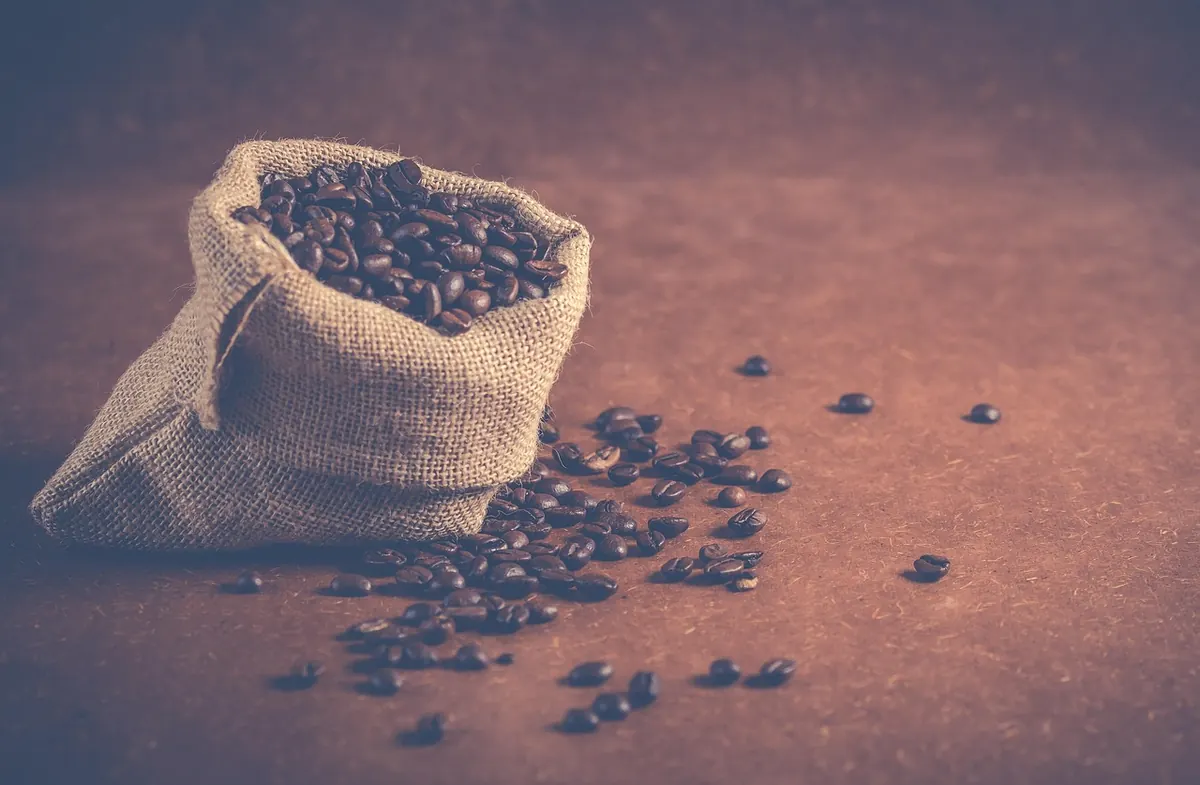
Coffee is at its best within a few weeks of roasting, so a kilo bag can mean months of mediocre cups. Self-raising flour loses some of its lift over time, so bake with it or buy smaller. Soft brown sugar sets like concrete unless stored properly, and dried fruit can dry out or go mouldy in a warm cupboard.
Fresh "family packs" of vegetables deserve a mention too. If half the bag ends up in the bin, the saving was imaginary.
Measuring your kitchen before you shop
Cupboard reality
Measure one shelf before you leave the house: height, width and depth. A 10kg sack of flour is roughly the size of a small child's car seat and will not fit on a standard shelf. Also think about heat and steam. The cupboard above the kettle or beside the oven is the worst place for anything dry, because condensation and warmth shorten shelf life.
The freezer question
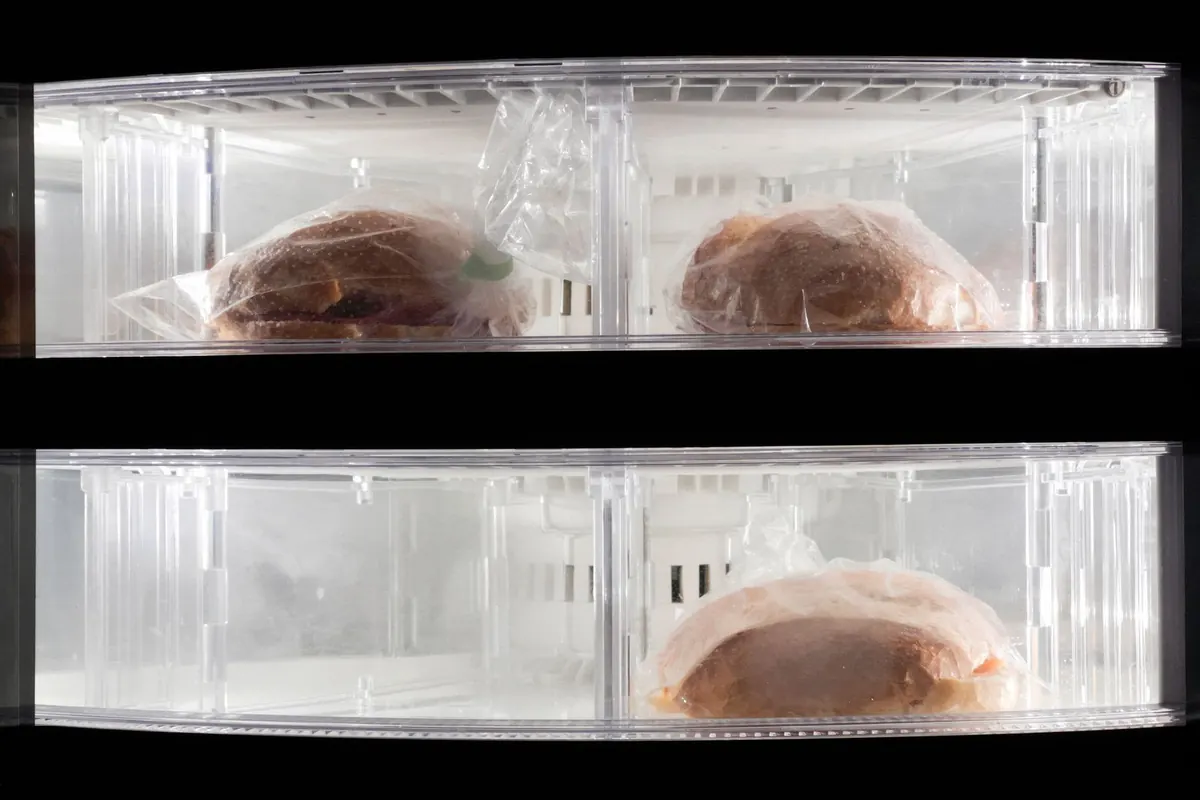
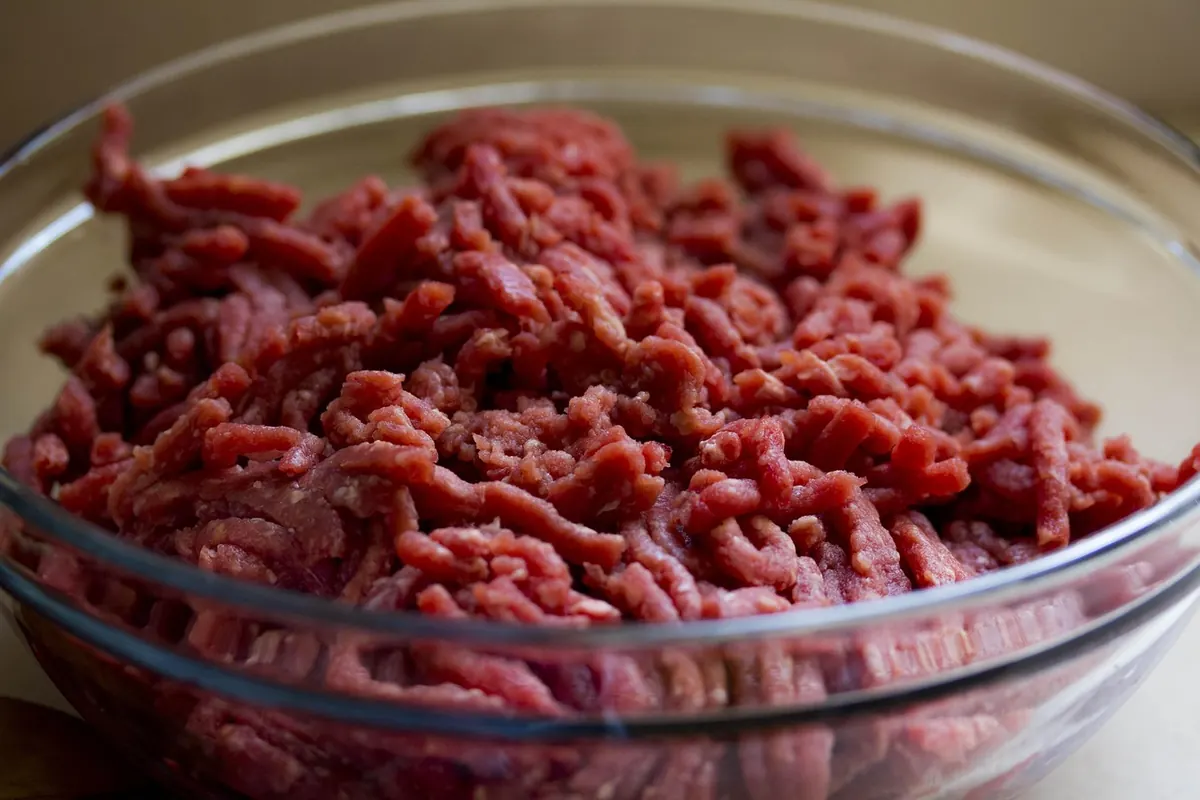
Freezer space is finite and easy to overestimate. Before buying a bulk pack of meat, bread or frozen veg, empty a drawer and look at it properly. Frozen food keeps far longer than cupboard food, but only if it is actually frozen rather than jammed against the door seal.
Decant, label, rotate
Transferring dry goods into airtight containers keeps pests out and stops you buying a third bag of rice because you could not see the first two. Write the date on the container. Then use the oldest first, the same way a shop does. If you spot moths or weevils in flour or grains, bin the affected food, wash the shelf and containers thoroughly, and check anything stored nearby.
Splitting a bulk buy with someone else
Half a pallet is a lot of kitchen. Sharing with a neighbour, a family member or a colleague lets you get the unit price without the storage problem. Agree two things in advance: how you will divide it (a kitchen scale is more reliable than eyeballing) and what happens if one of you changes their mind. Repackage into your own containers straight away rather than leaving a shared sack in a hallway for a fortnight.
Cash-and-carry warehouses can be excellent value, though trade-only ones ask for business details, and membership fees only make sense if you will shop there regularly. Weigh the fee against what you would actually save in a year.
A five-minute check before you buy big
- Check the unit price against the smaller pack, and against the own-brand version.
- Ask where it will live, and whether you can reach it without moving three other things.
- Estimate honestly how long it will take you to use. If the answer is longer than the food keeps well, buy less.
- Consider cash flow. Spending more now to save later only works if the money is spare.
- If it is a new ingredient, buy small first and decide whether you like it.
If a bulk shop would mean borrowing or putting the weekly food budget on credit, it is not a saving. For anything more serious than that, free and confidential debt advice is available from Citizens Advice and similar services, and it is worth using before the situation gets harder.
Start with one shelf
You do not need to reorganise your whole kitchen or commit to a warehouse membership. Pick one thing you use constantly, check its unit price in three sizes, and buy the size that makes sense for your cupboard and your cooking. Rice, oats or tinned tomatoes are good places to start.
Then leave it a month and see whether the bigger pack felt like a saving or a chore. That answer, not a general rule about buying in bulk, is the one that will guide your next shop.
Photo: Ylanite / Pixabay