There are few kitchen disappointments quite like tipping flour into a bowl and watching small dark specks move. Pantry moths and weevils rarely announce themselves until they have settled in, and by then a whole shelf can be compromised. The encouraging part is that infestations are usually the result of a handful of small, fixable habits rather than bad luck. Change those habits and your flour, rice and dried fruit stay thoroughly unappealing to insects all year round.
Mistake one: leaving staples in the packaging they came in
Paper flour bags, folded-over tops and thin supermarket plastic are not barriers. Pantry moths will chew through paper and flimsy plastic, and a rolled-down bag leaves a gap wide enough for weevils to wander in and out at will. Once a bag is open, it is also almost impossible to see what is happening at the bottom of it.
Decant as soon as the shopping is unpacked. You want rigid, airtight containers: glass jars with rubber gaskets, clip-top jars, or thick plastic tubs with a silicone seal. A simple test is to fill the container, seal it, and turn it upside down. If flour escapes, it is not airtight enough. If you like keeping the original packaging for the date or brand, cut out the label and tuck it inside, or write the date on the jar with a marker.
Mistake two: topping up old food with new
This is the classic error. There is half a jar of rice left, so the new bag gets poured on top of it. If the old rice contained eggs or larvae, you have just handed them a fresh supply and a bigger home. Never mix the two. Empty the jar completely, wash and dry it, then refill.
The other half of this mistake is forgetting the back of the shelf. Three half-used bags of raisins, a lonely bag of pearl barley, an open box of dates — that is where trouble starts. Work on a first-in, first-out basis: new stock goes behind the old, and everything gets a date. When you open a jar, glance at the surface. Fine silky webbing, grains that clump against the side, or a faint musty smell are all early warnings.
Mistake three: storing everything in the warmest, dampest corner
Insects breed faster in warmth and humidity, and a kitchen offers both in abundance. The cupboard above the oven, the gap beside the fridge, the shelf over the kettle, the space under the sink next to the dishwasher — these are the worst spots in the house. Damp air also makes flour clump and turns a dry shelf into a welcoming one.
Aim for cool, dry and dark, away from appliances and out of direct sunlight. If your only cupboard is a warm one, use it for tins and jars of things you get through quickly, and keep flour, grains and dried fruit somewhere cooler.
- Above the oven or hob
- Beside the fridge or freezer, where the motor vents heat
- Over the kettle, toaster or air fryer
- Under the sink, especially near a washing machine or dishwasher
- A shelf in direct sun for most of the day
Mistake four: forgetting that moths do not only eat flour
Flour and rice take the blame, but the list is longer: dried fruit such as raisins, dates and apricots, plus nuts, pasta, couscous, polenta, oats, breakfast cereal, dried herbs and spices, and dried mushrooms. Birdseed and pet food are frequent culprits too, along with dry dog biscuits and dried decorations like wreaths and dried flower arrangements.
Store these the same way as flour, in sealed containers. Opened packets of nuts and raisins often live in a bowl on the worktop or loose in the fridge door, which is exactly the sort of easy access that starts an infestation. If the moths you are seeing are in a wardrobe eating jumpers, that is the clothes moth, a different insect with different habits — worth dealing with, but a separate job.
Mistake five: skipping the freezer step
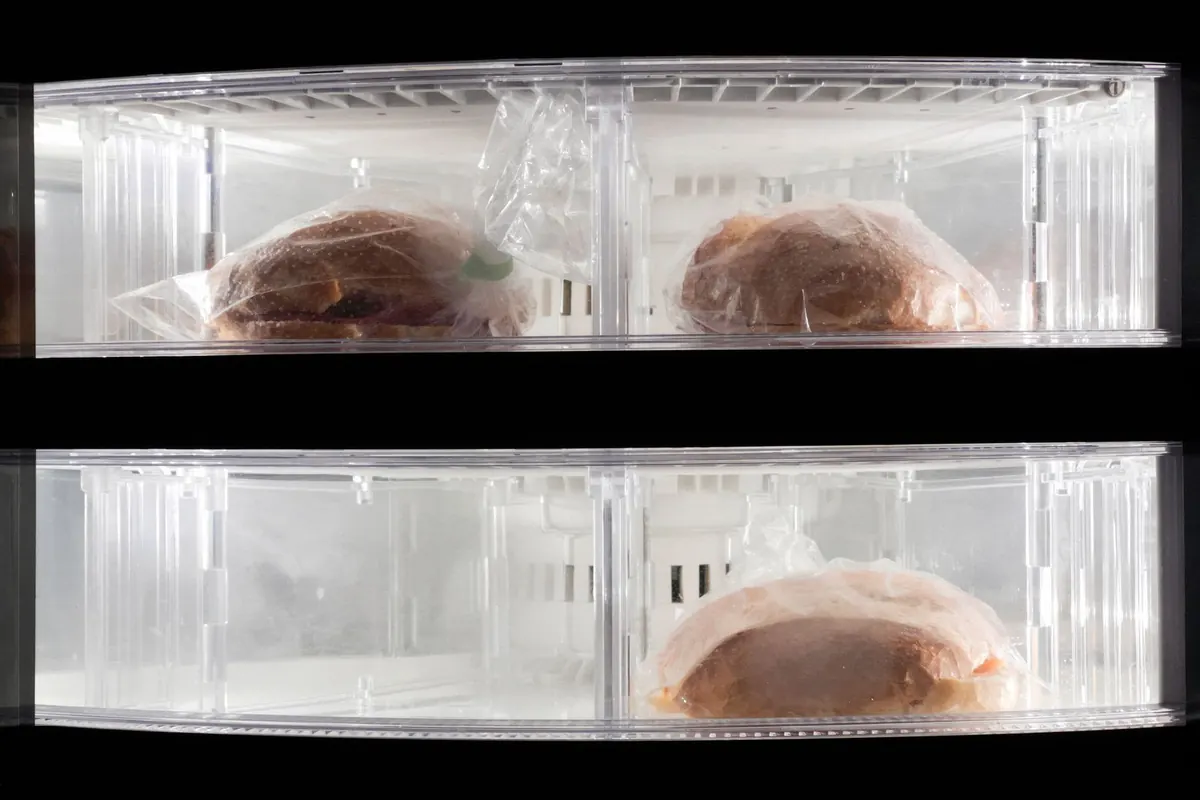
Even careful shopping can bring eggs home. Dried goods can carry eggs or larvae that hatch weeks later in a warm cupboard, which is why a stint in the freezer before decanting is such a useful habit. Bag the item, freeze it for a few days, then let it come back to room temperature before decanting — that way condensation does not dampen the contents.
It is also worth being honest about quantities. A large sack of flour only works out cheaper if you will get through it within a few months. Bulk buying without the storage or the appetite for it simply gives insects more to work with. And a word on folk remedies: bay leaves and cloves smell pleasant, but a properly sealed container does far more for you than a scattering of dried leaves.
Mistake six: cleaning the shelf but not the cupboard
Flour dust drifts. It settles in the corners, along the groove where the shelf meets the side panel, in screw holes, under shelf liner and on the hinge side of the door. Larvae can feed on that dust alone, so a shelf that looks clean can still be supporting a population.
- Empty one shelf at a time rather than the whole cupboard at once.
- Vacuum the corners and crevices with a brush attachment, then wipe with warm soapy water and dry thoroughly. Wiping first turns flour dust into paste.
- Deal with anything infested immediately: double-bag it and put it straight in an outside bin, not the kitchen bin.
- Wash the containers, dry them properly, and only put food back on a completely dry shelf.
- Repeat for the door shelves, the top of the cupboard and the floor of it.
There is no need for insecticides in a food cupboard. Soap, water and a vacuum will do the job.
A ten-minute reset, once a month
Pick a day, set a reminder, and work through one shelf at a time. Check each container, wipe the shelf, reseal and date anything that has been opened. If something has not been touched in two months, move it to the front or plan a meal around it.
If you do find an infestation, act quickly. Check every container within a metre or so, because moths travel, and reassess the suspects you might overlook: birdseed in the shed, a forgotten bag of nuts in a drawer, a jar with a perished rubber seal. Replace the seal or the jar. Two or three weeks of vigilance usually sorts the problem out.
A well-organised pantry is not about matching jars or perfect labels. It is about a cool, dry shelf, sealed containers and stock that actually gets used. Get those three things right and the flour stays yours.
Photo: monk83 / Pixabay