Somewhere in almost every British kitchen there is a low-level argument running. One person moves the eggs out of the cupboard and into the fridge door. Another rescues the bread from the bread bin and buries it in the freezer. Someone insists tomatoes turn to watery nothing in the cold, while someone else reads the label and puts them in the salad drawer anyway. Nobody is entirely wrong. The right answer depends on what the food is, how soon you plan to eat it, and what you want it to taste like when you do.
The fridge is not automatically the safest place
Cold slows things down. It holds back mould, bacteria and the ripening process, which is why milk, raw meat and cooked leftovers belong in there. But cold also does damage that has nothing to do with safety.
It turns the starch in bread into something dry and bland, which is why a loaf goes stale faster in the fridge than on the counter. It stalls the ripening that gives tomatoes and avocados their flavour, and it dulls the aromatic oils in coffee and herbs. Potatoes kept too cold convert some of their starch to sugar, which changes how they cook and taste. None of that will make you ill, but it will make your food worse and your shopping bill bigger.
The trick is to stop treating the fridge as a default and start treating it as one option among three: fridge, freezer and pantry.
Where 30 everyday foods actually belong
These are the foods that cause the most disagreement. Use this as a starting point and adjust for how quickly your household gets through things.
Bread, bakery and breakfast
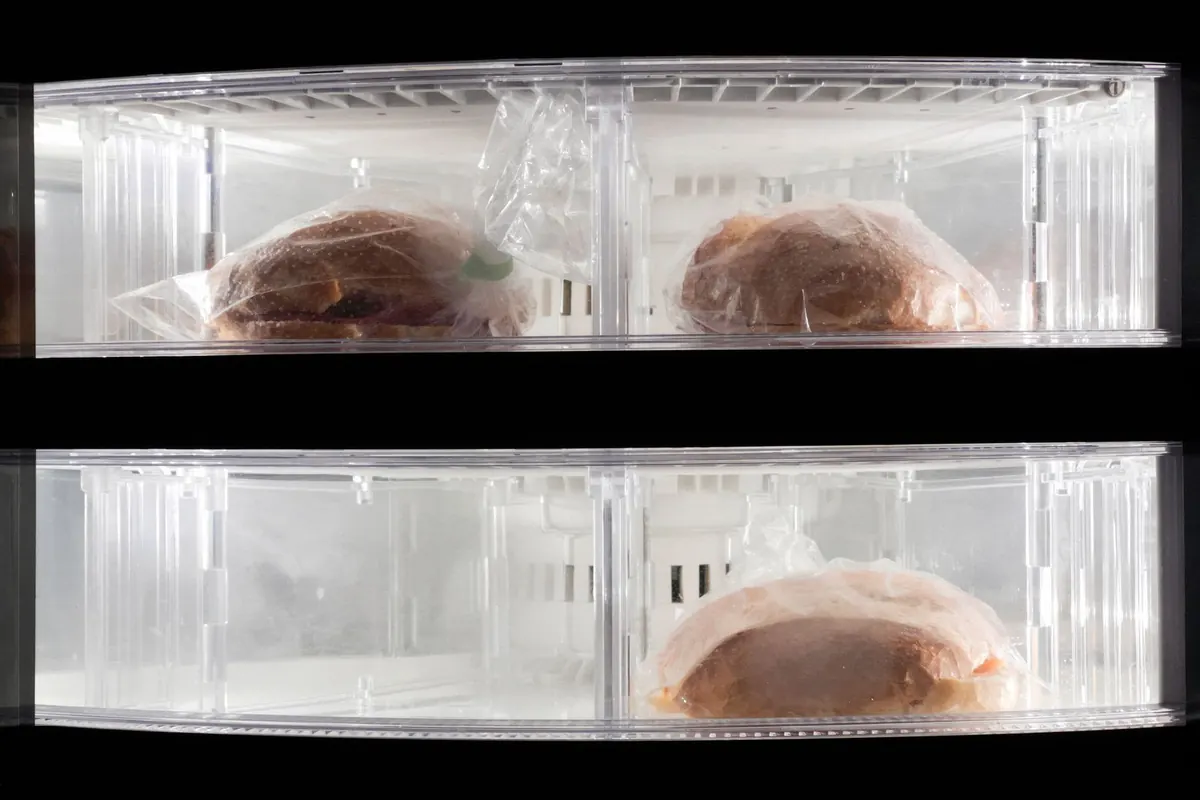
- Bread: a bread bin for a day or two, then the freezer, sliced and bagged. The fridge is the worst of the three.
- Croissants, rolls and buns: freeze them on the day you buy them and warm them through in the oven. They never recover from a day in the fridge.
- Eggs: the fridge keeps them fresher for longer, ideally in their box on a shelf rather than in the door, where the temperature swings every time you open it. If you keep them out, keep them somewhere cool and use them sooner.
- Jam: the cupboard until opened, then the fridge. Low-sugar and homemade jams need the cold more than a traditional high-sugar one.
Dairy and fats
- Milk: the main body of the fridge, not the door shelf.
- Butter: the fridge in a lidded dish. A covered butter dish on the counter is fine if it disappears within a few days.
- Hard cheese: the fridge, wrapped in paper or a beeswax wrap first and a loose bag second. Tight plastic alone makes it sweat and go slimy.
- Soft cheese and cream cheese: the fridge, eaten within a few days of opening.
- Yoghurt: the fridge, lid on, away from the back wall where it can freeze.
- Cream: the coldest part of the fridge, and check the date before you pour.
Fruit and vegetables
- Potatoes: a cool, dark, airy cupboard in a paper sack. Not the fridge, and not next to onions.
- Onions: dry, dark and ventilated. Keep them well away from potatoes; each makes the other spoil faster.
- Garlic: as onions while the bulb is whole. Once you break it up, the fridge is fine.
- Tomatoes: room temperature, out of direct sun, stem side down. Move them to the fridge only if they are fully ripe and you need two more days from them.
- Bananas: room temperature, away from other fruit. Once ripe, the fridge buys you extra days; the skin will blacken but the flesh is fine.
- Apples: the fridge, where they last far longer. Keep them away from vegetables, as the gas they give off speeds others up.
- Berries: the fridge, unwashed, in a single layer or lined with kitchen paper. Wash them just before eating.
- Carrots: the fridge, in a bag or a lidded box with a little moisture, and not beside apples.
- Mushrooms: the fridge in a paper bag. Never wash them until the moment they hit the pan.
- Avocados: the fruit bowl to ripen, the fridge to hold once they give slightly at the top.
Meat, fish and leftovers
- Raw chicken: the bottom shelf of the fridge, on a plate, covered, so nothing can drip onto food below.
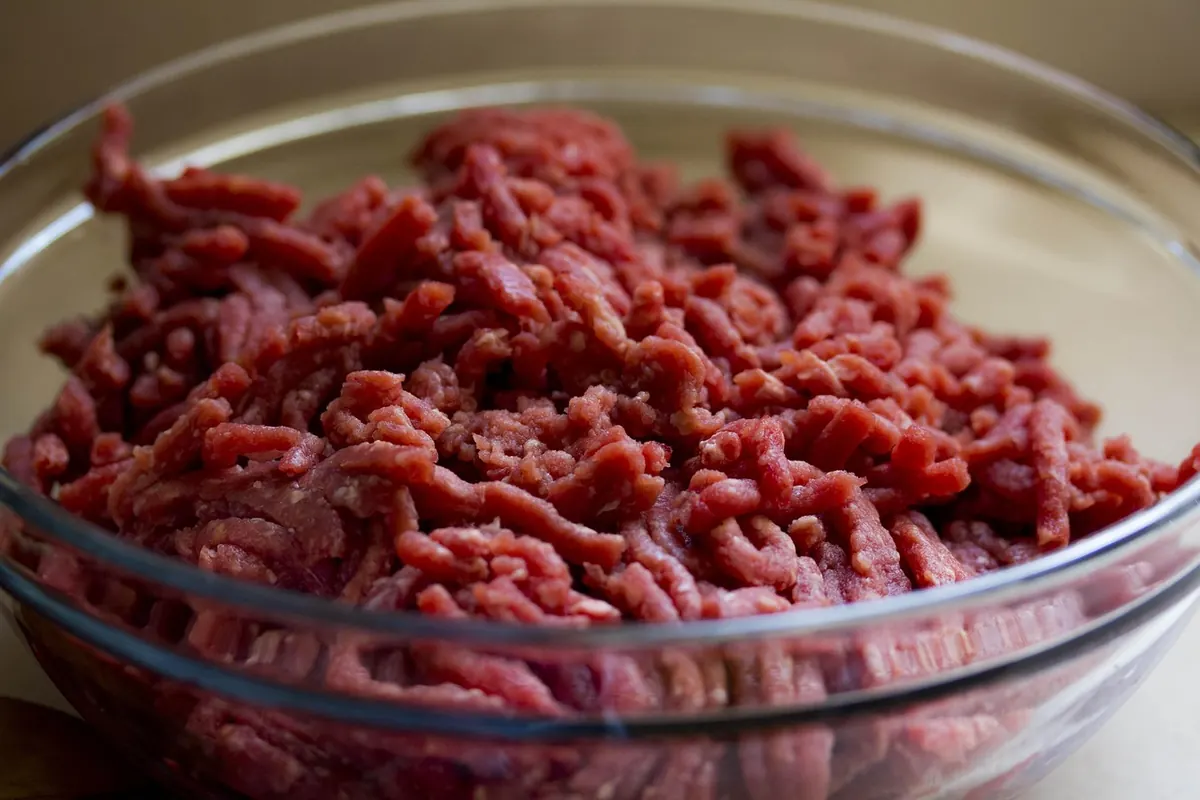
- Raw mince: the bottom shelf too, and used within a day or two of buying.
- Bacon: the fridge, or frozen in portions separated with baking paper.
- Smoked salmon: the fridge, unopened until you need it.
- Cooked rice: cooled quickly, refrigerated within an hour of cooking, eaten within a day and reheated until piping hot all the way through.
Pantry staples
- Flour: an airtight container in the cupboard. Wholemeal flour, or a kitchen with pantry moths, does better in the fridge or freezer.
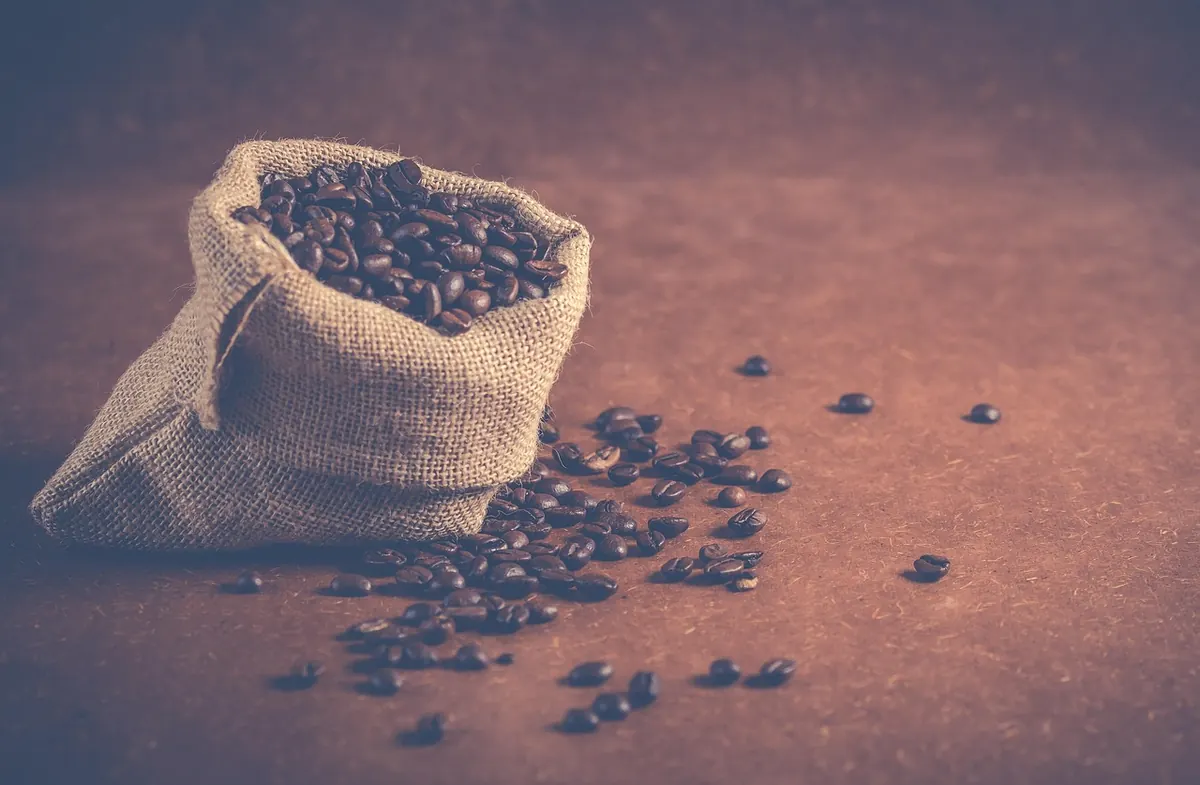
- Coffee beans: airtight, dark and cool, away from the kettle. The freezer works only if you portion and seal it properly.
- Honey: the cupboard. In the fridge it sets hard and becomes a chore to use.
- Chocolate: cool and dark. The fridge causes a dull grey bloom; harmless, but it loses its snap.
- Olive oil: a dark cupboard, away from the hob, and used within a few months of opening.
Three rules that settle most disagreements
- Match the storage to the timescale. Bread eaten by Thursday lives in the bin. Bread for next week goes in the freezer. Tomatoes for tonight stay on the counter; tomatoes you will not reach until the weekend can go cold.
- Keep the cold stable. The fridge door is the warmest, most changeable spot in the appliance. Milk, eggs and anything with a short date deserve a shelf, not the door, which is best kept for mustard, chutney and other robust jars.
- Separate the troublemakers. Potatoes and onions, apples and leafy greens, bananas and everything else. Ripening gases and moisture are what turn a well-stocked fridge into a compost bin.
Putting it into practice
Do one reset and the arguments mostly stop. Clear a shelf in the fridge for dairy, put the eggs and milk there, and leave the door for condiments. Move potatoes and onions to separate dark corners of a cupboard. Freeze bread the day you buy it, in slices, so you can take out exactly what you need.
Then learn the two dates. A use-by date is about safety and should be followed; a best-before date is about quality and is far more forgiving than most people assume. If something smells wrong, looks wrong or has been left out warm for hours, bin it rather than gamble.
For anything involving pregnancy, a weakened immune system, or feeding a baby, follow current NHS guidance rather than a general rule of thumb. For everyone else, a bit of common sense plus the three rules above will keep the food fresher, the waste smaller, and the kitchen considerably quieter.
Photo: Jonathan Borba / Pexels