There is no single winner in the jar-versus-tub argument. A Kilner jar is brilliant for the flour you use slowly and hopeless for the cereal three children demolish in a week. A plastic tub is cheap, light and forgiving, but fill it with last night's curry and you will smell it for months.
The useful question is not which material is better overall, but which one suits each job on your shelves. Here is how the two compare on the things that actually matter.
Airtightness: the seal matters more than the material
Both glass and plastic can be genuinely airtight, and both can be hopeless. What decides it is the seal, not the jar itself.
Clip-top Kilner jars hold a rubber gasket against the rim with a wire clamp. They are excellent for dry goods, but rubber hardens and cracks with age, so gaskets are a consumable — buy spares and swap them when they stiffen or go brittle. Screw-band jars with a rubber-lined metal lid seal well too, though the lid will rust if it is washed and put away wet.
On the plastic side, a plain press-on lid is not airtight. It slows staling rather than stopping it. Clip-lock tubs with a silicone gasket are a different animal and seal about as well as most jars.
A quick test: half-fill a container with water, seal it, turn it upside down over the sink and squeeze gently. Bubbles or drips mean the seal has gone.
For flour, oats, rice and dried pulses that sit for months, airtight is worth paying for. For cereal eaten within a fortnight, a decent press-lid tub is fine.
Cost: what you pay now and what you pay later
Glass almost always costs more per jar up front, but it lasts for decades, and the parts that wear — gaskets, occasionally a lid — are cheap to replace.
Plastic is the cheaper way to fill a lot of shelf space quickly. It is also the one that quietly gets replaced. Tomato sauce, curry and anything oily leave stains and ghosts of flavour behind, and a scratched tub never quite comes clean. Warping in the dishwasher finishes many of them off.
If you are starting from nothing, mixing the two usually costs least overall: glass for staples that sit for months, plastic for the bulky things that come and go.
Stacking, weight and seeing what you have
- Weight: a two-litre jar of flour on a high shelf needs two hands, and a dropped one is a serious mess. Plastic wins here without much argument.
- Shape: square jars and tubs waste far less space than round ones on a rectangular shelf. Many plastic ranges are built square with a stacking rim; round Kilner jars look lovely on an open shelf but leave gaps in a cupboard.
- Visibility: glass lets you see the level at a glance. Clear plastic does the same until it clouds and scratches, which it eventually will.
- Labelling: write contents and date on the lid, not the body, so the label survives the wash.
Foods that suit glass
Glass earns its place for the long-haul items and the awkward ones:
- Flour, oats, rice, sugar, dried beans and lentils — long storage, proper seal, visible level.
- Spices, dried herbs and tea, because glass neither picks up nor passes on odours.
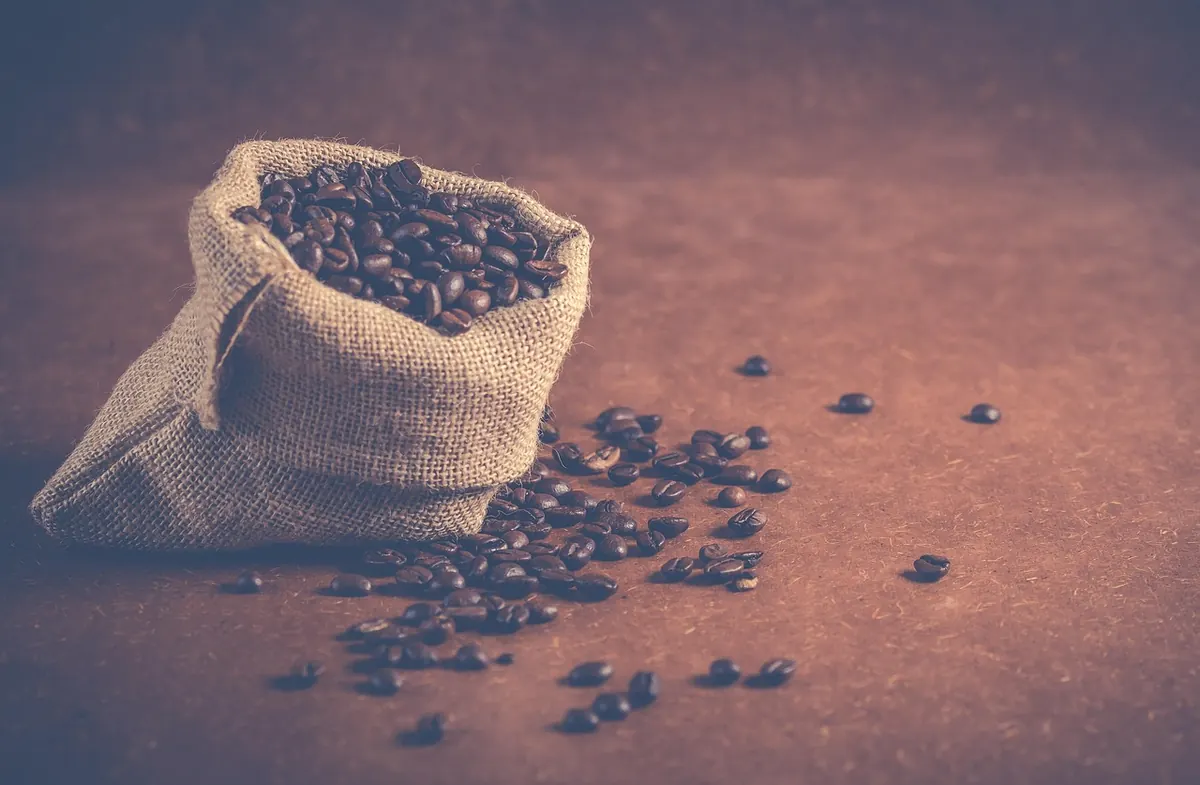
- Coffee beans and nuts, kept in a dark cupboard where the oils cannot turn stale in a scented tub.
- Anything oily, acidic or strongly flavoured — pickles, sauces, curry pastes, chilli oil. These are exactly the foods that stain and haunt plastic.
- Ferments, where a Kilner jar is the traditional vessel. Use a proper airlock or a burping lid rather than a plain clamp.
Foods that suit plastic
- Cereal, crackers, crisps and snacks eaten within a week or two.
- Bulk pasta or rice where a full glass jar would be too heavy to lift comfortably.
- Freezer and fridge overflow, where plastic copes with being knocked about.
- Anything children need to reach themselves. A light tub on a low shelf is safer than a heavy jar.
- Ingredients you scoop from constantly, provided the mouth is wide and the seal is decent.
One caveat: let hot food cool before it goes into plastic, and follow the manufacturer's guidance on temperature limits, because not every tub is built for the freezer or the microwave.
A short buying checklist
- Check the seal type, not the label. A clip-lock tub with a silicone gasket beats a handsome jar with a loose lid.
- Measure your shelf height before buying tall jars. A jar that does not fit lives on the worktop forever.
- Choose square containers where cupboard space is tight and round ones for open shelving.
- Buy gaskets in a pack and keep them with the jars so replacements are never an excuse.
- Wash lids by hand and dry them thoroughly — rust is the main killer of screw-band jars.
- Replace scratched tubs and perished gaskets instead of working around them.
- Buy two or three good jars at a time as you notice what keeps going stale, rather than kitting out a whole pantry in one go.
A simple rule for your own pantry
Store glass where the food stays put and plastic where the food moves. Glass for staples bought in bulk and used slowly, for anything oily or strongly scented, and for anything you want to see at a glance. Plastic for cereal, snacks, freezer portions and the shelves children can reach.
You do not have to pick a side and commit. Most well-organised pantries end up with both, and that is not a compromise — it is just paying for the right properties in the right places. Start with what you already own, replace the failures as they happen, and let the shopping list write itself.
If you are unsure where to begin, look at what you waste most. A half-eaten bag of flour or a stale box of cereal tells you more about your storage than any comparison table will.
Photo: congerdesign / Pixabay