A pantry audit sounds like paperwork for your kitchen. Done once a year, it is paperwork. Done monthly, in twenty minutes with a timer running, it becomes the habit that stops you buying a fourth jar of cumin and binning a half-used bag of spinach you forgot existed.
The aim isn't a showroom shelf. It's knowing what you own, using the oldest first, and keeping a list short enough that your shopping list tells the truth.
Why a monthly pass beats an annual clear-out
When you clear out a pantry once a year, you give it a whole afternoon and then spend the other eleven months undoing the work. Packets drift to the back. Half-used bags get pushed behind something taller. By the next clear-out you're holding three unlabelled tubs and guessing at their contents.
A monthly check is small enough to actually happen, and frequent enough that nothing has time to turn quietly at the back of a shelf. Twenty minutes is a cup of tea and half an episode of something. That's the entire commitment.
The twenty-minute routine
Work in the same order every month so you don't have to think about it. Set a timer, and when it rings, stop — even if you're mid-shelf. You'll pick up where you left off next month.
- Arm yourself. A pen, your list, a carrier bag for anything leaving, and a cloth. Don't empty a whole cupboard onto the worktop; that's how twenty minutes becomes ninety.
- Start with the fridge, top shelf down. Check dates, bin anything past its use-by, and move anything that needs eating this week to the front of the middle shelf, where you'll see it.
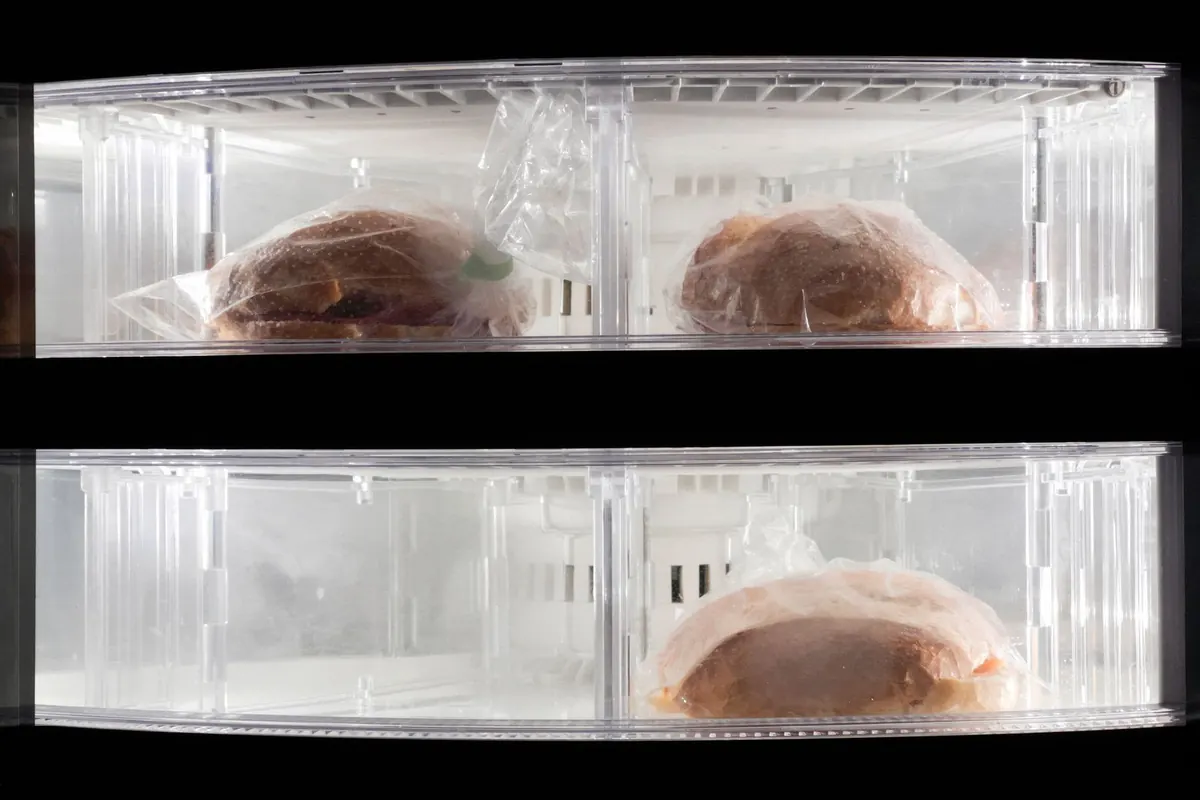
- Move to the freezer. Look for unlabelled tubs, open bags and ice crystals forming inside packaging. Note what's in there so you don't buy a third bag of peas.
- Do one cupboard properly. Back row first, then the front. Wipe the shelf as it empties.
- Rebuild as you go. Oldest at the front, newest at the back, until the shelf looks like something you'd want to cook from.
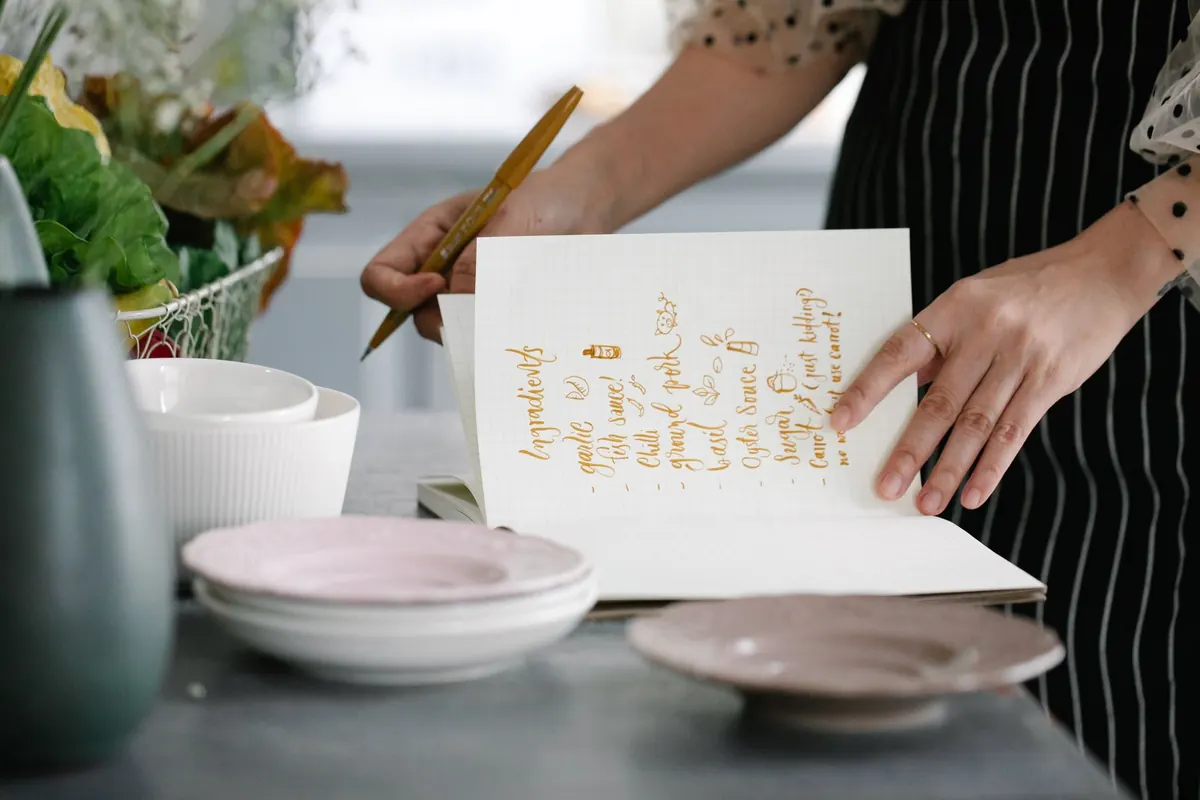
- Write the list. Not an inventory of everything you own — just what needs using, what you're low on, and what you must not buy again this month.
- Set a reminder for the same date next month before you leave the kitchen.
Dates: which ones actually matter
Use-by dates
These are about safety. Food shouldn't be eaten after its use-by date, even if it looks and smells fine — this applies to fresh meat, fish, dairy and ready-made salads in particular. If it's past, it goes. Don't cook it "to be safe" and don't pass it on to someone else.
Best-before dates
These are about quality, not safety. Dry pasta, tins, spices, flour and crisps all carry them. A tin of tomatoes a few weeks past its best-before is usually perfectly good; a bag of crisps will simply be stale. Use your judgement, and remember that the date assumes the item has been stored as the packaging suggests.
One thing worth checking while you're in there: your fridge should be running at 5°C or below, and your freezer at -18°C. If you're pregnant, cooking for someone with a weakened immune system, or in any doubt about a specific item, follow official food safety guidance rather than your nose.
Rotate: newest at the back, oldest at the front
Retailers call it first in, first out. At home it takes two minutes while the kettle boils. Every time you unpack shopping, pull the older items forward and slot the new ones behind them. Tins at the back of a shelf never get used; the same tins at eye level disappear into dinner.
Give yourself a use-next box — a shallow tub on the counter or a clear spot on the fridge shelf. Anything from the audit that's close to its date goes in, and when you cook, you start there. A clear container beats a row of identical jars, because you can watch the level drop.
If you decant flour, rice or cereal into jars, write the date on the lid with a marker pen. A pretty jar with no date on it is just a mystery with a lid.
Keep a log you'll actually maintain
The log is the part people abandon, usually because they try to record everything. Don't. Log only the things you genuinely forget you own:
- Freezer contents, with the date they went in
- Spices and dried herbs, especially the ones you use twice a year
- Baking supplies: flour, sugar, yeast, raising agents, cocoa
- Tins and jars you buy in multiples
- Anything decanted out of its original packaging
Keep it where you'll see it — a note on your phone, or a sheet taped inside a cupboard door. Add items as you bring them home and cross them off as you use them. If you only update it during the audit, it'll be out of date within a fortnight.
The list does one more job, and it's the one that saves money: it exposes duplicates. Two bags of plain flour. Three tins of chickpeas. A second bottle of soy sauce hiding behind the first. Next time you reach for your phone to order a shop, the list is the answer.
Turn the audit into next week's meals
The job isn't finished when the shelves are tidy. It's finished when you've written three meals you can cook from what's already in the house — a soup, a pasta bake, a tray of roast vegetables using whatever's gone limp in the drawer.
Put those meals in the calendar before you shop, then build the shopping list around them, adding only what's genuinely missing. If the use-next box is empty by the time the next audit comes round, your buying quantities are about right. If it's overflowing every month, that's your signal to buy less of whatever keeps ending up in there.
Twenty minutes, one list, one box. That's the whole system, and it works precisely because it's small enough to repeat.
Photo: Katya Wolf / Pexels